When to bring us in
A valuable collection needs to become searchable, explorable, and trustworthy for visitors, curators, or internal teams.
A collection needs a public form
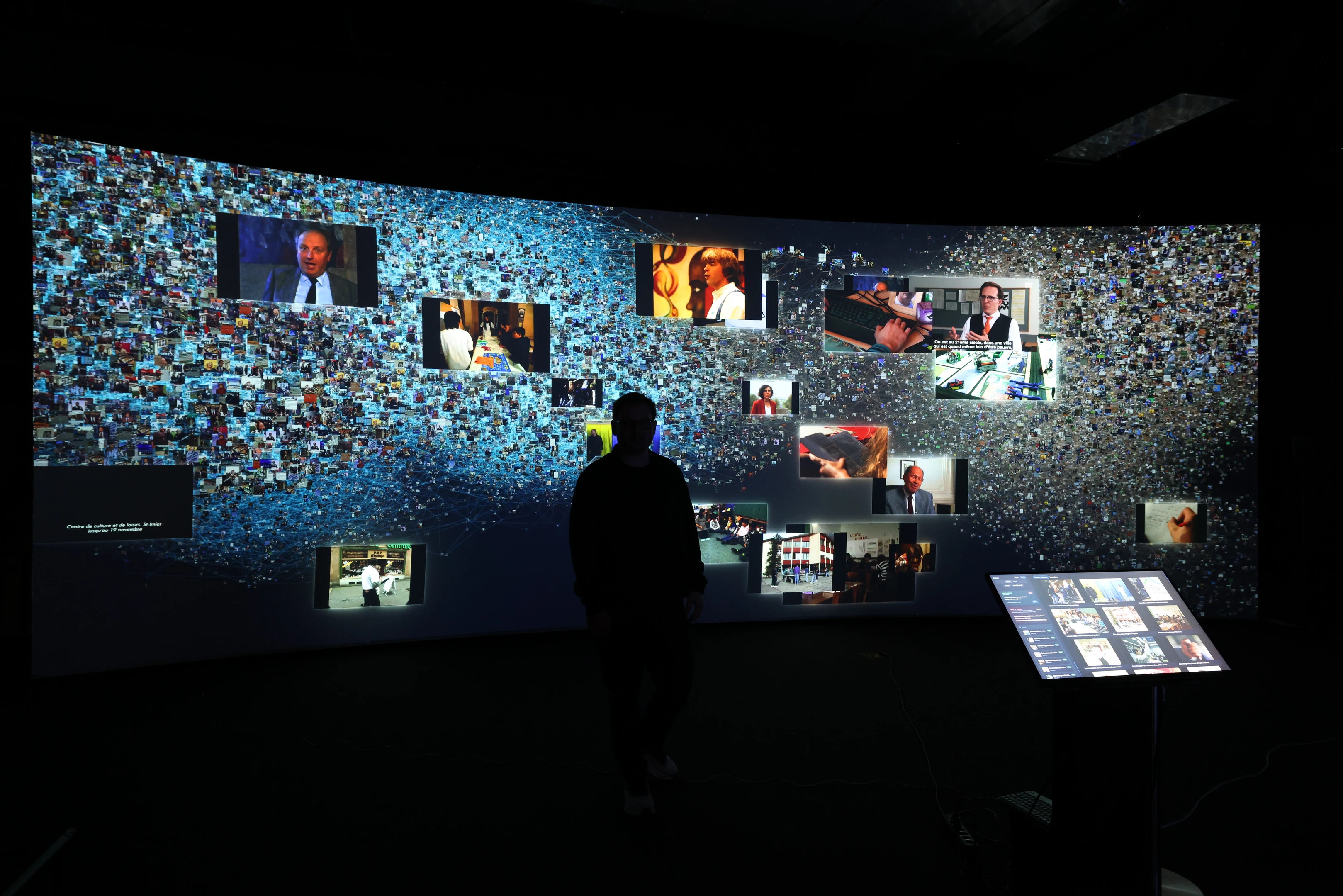
Video, audio, documents, oral histories, artworks, records, or research material need a clear interface for discovery.
Search is not enough
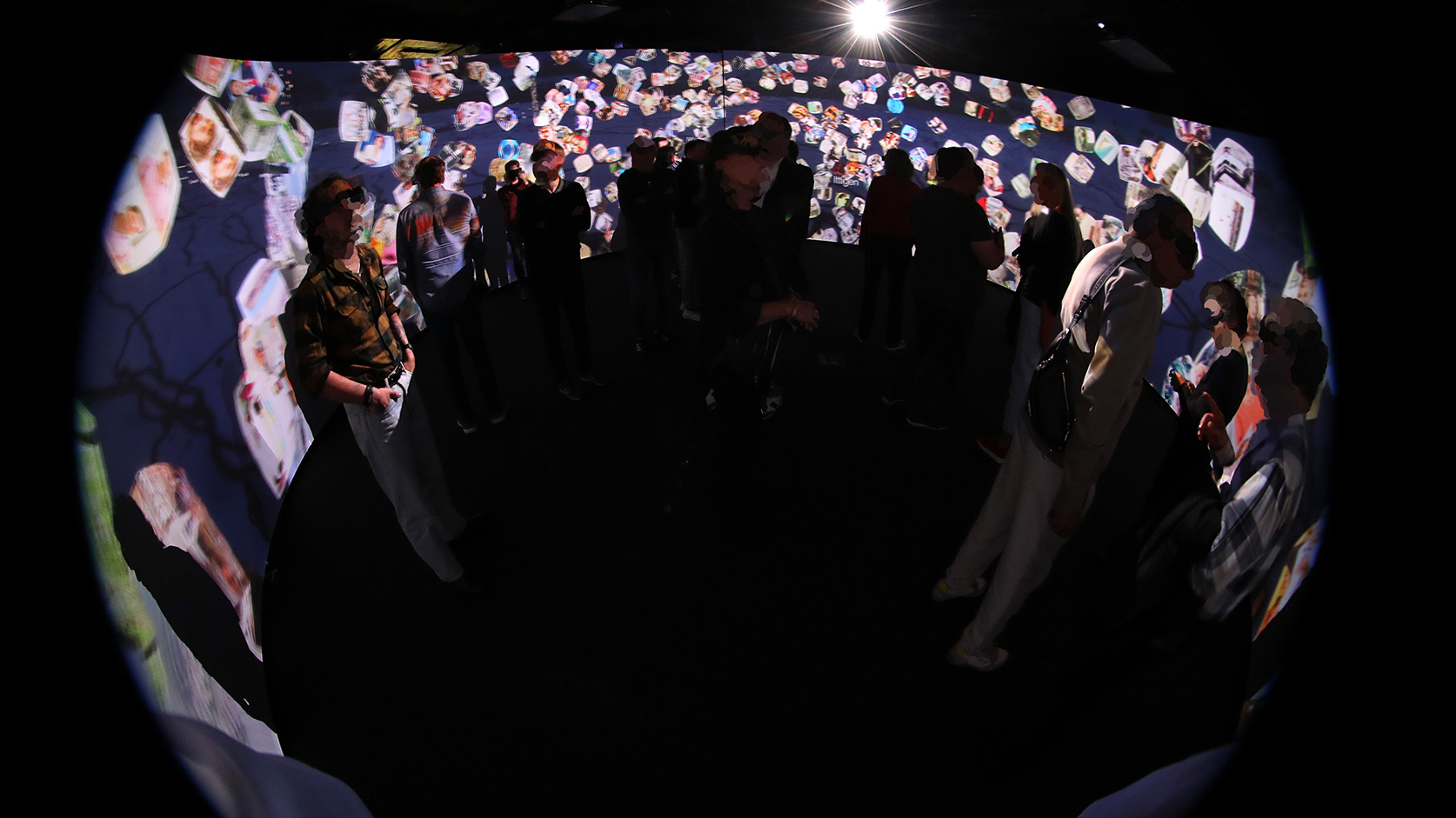
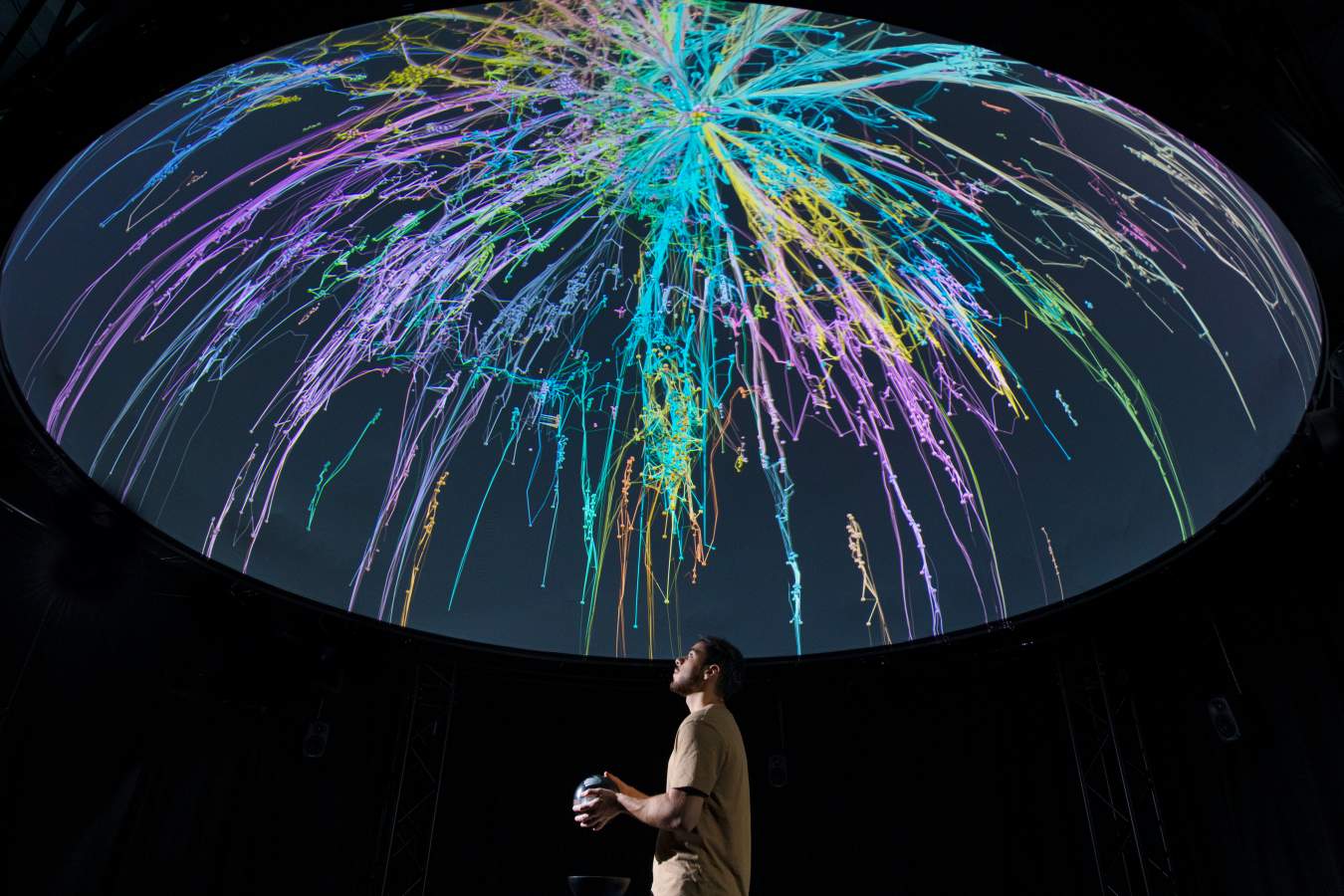
The material needs maps, themes, relationships, timelines, visual clusters, or guided routes through complex content.
AI must stay grounded
Answers, clips, generated text, and recommendations need visible sources, context, and provenance.
What gets built
A source model, interface, and retrieval layer that let people inspect the material without losing provenance.
- Source architectureContent model for files, transcripts, metadata, rights states, entities, and relationships.
- Exploration interfaceSearch and retrieval with filters, maps, timelines, networks, or guided themes when they clarify the collection.
- Grounded AICitations, timestamps, excerpts, and confidence boundaries stay visible inside every generated answer or recommendation.
- Review toolsPublic visitor interface, curator tool, editor workflow, review surface, or working prototype.
- Handover systemMaintenance notes for correcting metadata, approving outputs, and keeping the system trustworthy.
Related work
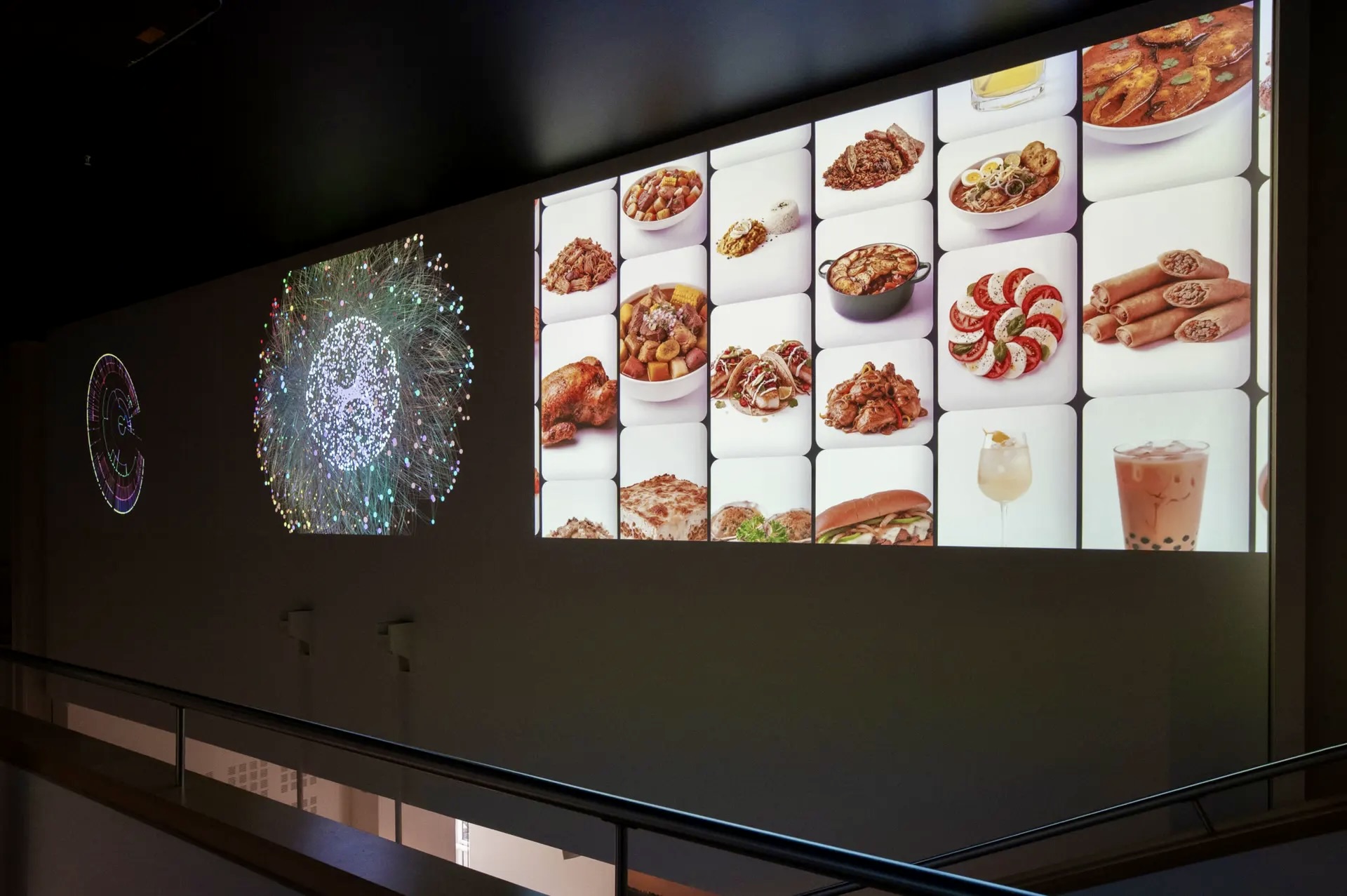
Archive work across broadcast, music, food culture, and AI-assisted narrative research.